Keeping high-performance electronics cool is one of the most critical challenges in modern technology. As devices become more powerful, compact, and energy-intensive, the heat they generate increases significantly. Every watt of electrical energy consumed by a circuit that isn’t converted into useful work—such as processing data or transmitting signals—inevitably turns into heat. High-performance components like CPUs, GPUs, power amplifiers, and battery systems can produce temperatures that, if left unmanaged, degrade performance, reduce lifespan, and even cause permanent damage. Excessive heat leads to thermal throttling, where systems automatically slow down to prevent overheating, and can accelerate material fatigue, solder joint failure, and insulation breakdown. Therefore, effective thermal management is essential not only for maintaining reliability and performance but also for improving energy efficiency and safety.
Traditional Cooling Methods
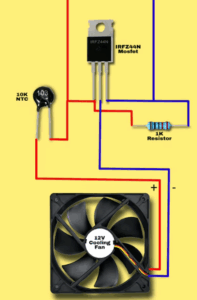 Traditional cooling methods, such as air cooling with fans or passive heatsinks, are often sufficient for standard consumer devices. However, as electronics are pushed to their limits—especially in high-performance computing, industrial automation, and aerospace applications—these methods may not provide adequate heat removal. In situations where air circulation is limited or where active cooling systems would add too much noise, vibration, or complexity, alternative thermal control methods become necessary. One simple yet surprisingly effective solution involves the use of freeze ice packs. These gel or phase-change material (PCM) packs absorb large amounts of heat as they melt, maintaining a stable, low temperature over an extended period.
Alternative Options- Ice Packs
 When placed strategically near heat-generating components, freezer ice packs can act as temporary heat sinks. The phase-change process, during which the ice transitions from solid to liquid, absorbs latent heat without causing a significant rise in temperature. This makes ice packs ideal for scenarios where electronics must remain cool for a limited duration—such as field testing, mobile data collection, or emergency cooling of high-energy equipment. For example, portable communication systems or diagnostic instruments operating in hot environments can benefit from ice pack cooling to sustain performance when other cooling infrastructure is unavailable. Because the ice pack absorbs rather than disperses heat, it can help maintain optimal operating temperatures even in sealed enclosures where airflow is minimal.
Moisture Concerns For Optimal Usage
However, the use of ice packs for electronic cooling requires careful planning to avoid condensation and moisture damage. The cooling elements should be insulated or enclosed within moisture-proof barriers to prevent water from contacting sensitive circuitry as the packs thaw. Additionally, the thermal contact between the ice pack and the electronic components must be optimized using conductive materials like aluminum plates or thermal pads to ensure efficient heat transfer. In some advanced systems, engineers integrate phase-change cooling modules that function similarly to ice packs but use engineered materials designed to melt and solidify at specific temperatures, allowing for controlled and repeatable thermal management.
 As high-performance electronics continue to consume greater amounts of energy and produce more heat, maintaining optimal temperatures becomes a vital engineering priority. Freeze ice packs, though simple, can serve as an effective supplemental or emergency cooling strategy. By leveraging the natural heat absorption properties of phase-change materials, they help stabilize temperature, preserve performance, and protect sensitive components. With proper design and safeguards against condensation, ice pack cooling provides a practical and versatile approach to managing thermal challenges in demanding electronic applications.
 The DOTS formula, used to compare strength across different body weights and genders, has become a standard in modern powerlifting. Athletes are no longer just lifting for personal bests—they’re calculating performance through data. This analytical approach aligns perfectly with the rise of high-tech gym equipment and wearable devices. Smartwatches, lifting trackers, and Bluetooth-enabled barbells can now record lift velocity, rep quality, and total power output in real time. Pairing this with the right soundtrack—delivered through wireless earbuds or high-fidelity gym sound systems—creates a training environment that keeps both the mind and body engaged. Music stimulates the brain’s reward centers, increases endurance, and helps lifters push through mental barriers, which is critical when chasing higher DOTS scores or working toward personal records.
 For gym owners or managers, maintaining a high-energy atmosphere also means investing in quality sound systems and acoustics. Background music that is too quiet or distorted can drain the energy from the room, while crisp, well-balanced audio motivates members without being overwhelming. Many modern gyms now integrate smart speakers or digital DJ systems that adjust volume and playlist style automatically based on the time of day or workout traffic. For instance, morning sessions might feature upbeat but calm playlists to energize early risers, while evening hours could shift to harder beats to match peak training intensity.